The Most Expensive Brands in the World: Who Pays for Prestige?
Breaking Down the Numbers
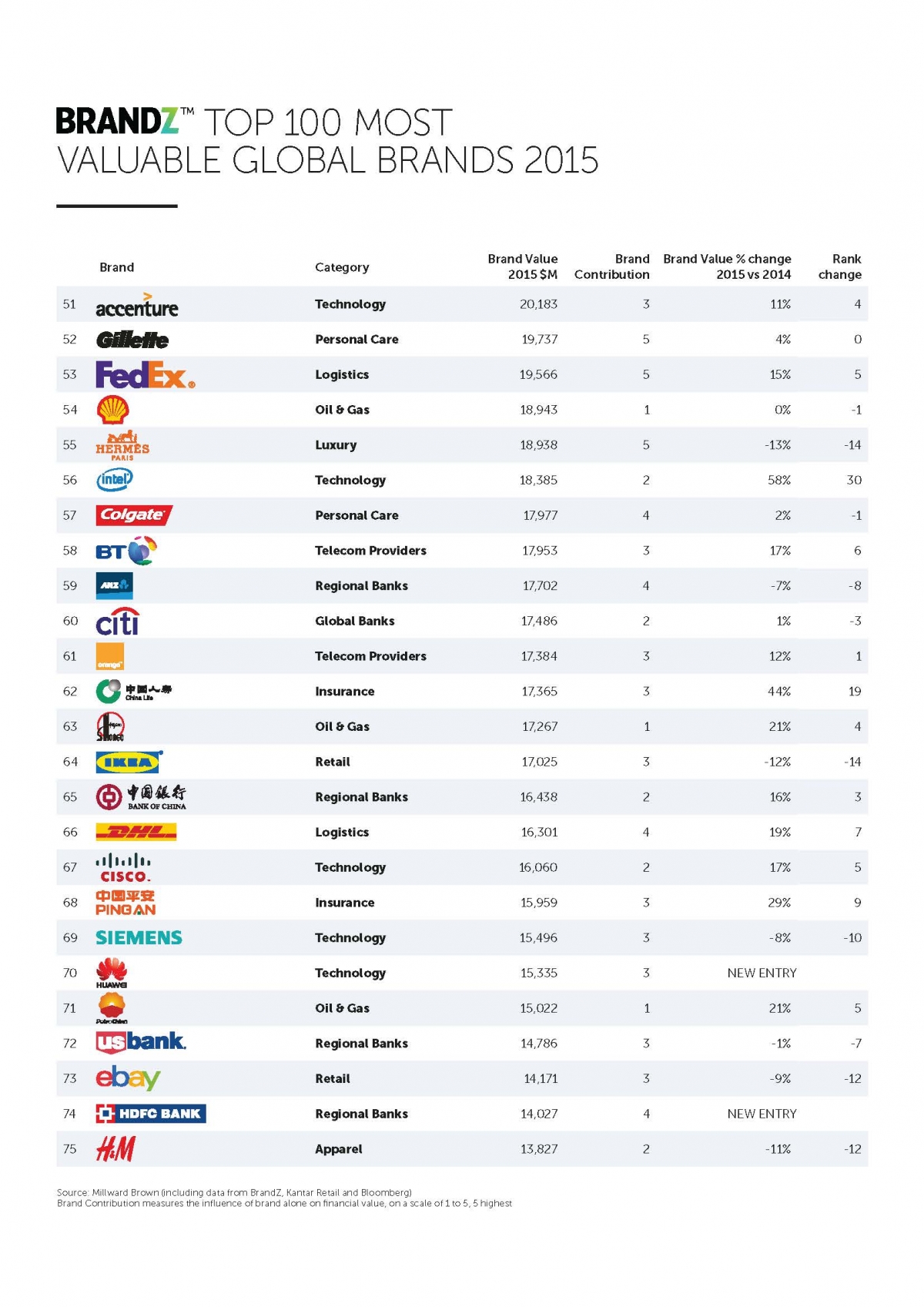
The most expensive brands in the world exist in a valuation ecosystem where traditional metrics—like revenue or net income—are secondary to brand equity. For instance, LVMH, the conglomerate behind Louis Vuitton and Dior, holds the title of the world’s most valuable luxury brand, with figures reportedly surpassing $100 billion. Yet even this number is less about annual sales and more about the intangible premium buyers attach to its logos. The gap between production cost and retail price for a Hermès scarf can exceed 90%, illustrating how these brands leverage craftsmanship, heritage, and desirability to justify exorbitant markups. What’s striking is how these valuations persist across economic cycles. During the 2008 financial crisis, luxury brands didn’t just survive—they thrived, with LVMH’s revenue growing by 12% in 2009 alone. The reason? Wealthy consumers treat these purchases as non-discretionary investments in status. Even in downturns, the most expensive brands in the world maintain their premium positioning by restricting supply, controlling distribution, and fostering an aura of unachievability. The psychology is clear: if everyone could afford it, the allure would vanish.The Verified Baseline
Publicly available data confirms that the top-tier brands—those consistently ranked among the most expensive in the world—share a few key traits. First, they are almost exclusively Western or Japanese, with French brands dominating the luxury sector due to their historical association with craftsmanship and aristocracy. Second, their revenue streams are diversified: LVMH, for example, generates income from fashion, wines, perfumes, and jewelry, ensuring no single product category can disrupt its valuation. Third, these brands invest heavily in brand protection, using legal action to suppress counterfeits and maintaining strict control over retail partners to prevent dilution. The most verifiable metric is market capitalization. As of recent filings, LVMH’s market cap exceeds $400 billion, while Richemont (owner of Cartier and Van Cleef & Arpels) trades around $150 billion. These figures are based on share prices and audited financials, not speculation. What’s less transparent—and more telling—is the premium markup these brands command. A study by Bain & Company found that luxury goods sell for an average of 30% above production costs, but for the most exclusive items, the premium can balloon to 1,000% or more.What the Estimates Suggest
Beyond verified numbers, industry estimates paint a picture of how the most expensive brands in the world operate in the shadows of their balance sheets. For instance, the secondary market for luxury goods—where pre-owned items are resold—is estimated to be worth over $30 billion annually. This gray market thrives because resellers can often fetch higher prices than the original retail tag, especially for items like vintage Rolexes or limited-edition sneakers. The implication? The brands themselves may undervalue their products to fuel secondary-market hype, a strategy that indirectly boosts perceived value. Another estimate worth noting is the cost of entry for new ultra-luxury brands. Reports suggest that launching a brand at the highest echelon—where it competes with the most expensive in the world—requires not just capital, but decades of heritage or a celebrity endorsement of unparalleled stature. Even then, success isn’t guaranteed. Brands like Burberry, once a blue-chip luxury name, have struggled to maintain their premium positioning in recent years, a cautionary tale about the fragility of elite status.
Case Study: A Closer Look
Few brands embody the paradox of the most expensive in the world better than Patek Philippe. While its watches are renowned for their mechanical precision, their true value lies in their association with power and legacy. A single Patek Philippe Nautilus can sell for $35,000 at retail, but a rare, vintage model—like the 1930s Calatrava—has fetched over $31 million at auction. The discrepancy isn’t just about materials; it’s about the story the watch carries. Owners aren’t buying a timepiece; they’re acquiring a piece of history, a symbol of exclusivity that only a handful of collectors can access. The brand’s strategy is twofold: restrict supply and cultivate mystique. Patek Philippe produces fewer than 50,000 watches annually, a fraction of Rolex’s output. This scarcity, combined with a waiting list for popular models, ensures that every purchase feels like an achievement. The result? A brand where the most expensive items aren’t just watches—they’re trophies."A Patek Philippe isn’t a watch; it’s a legacy. The moment you buy one, you’re not just purchasing a product—you’re joining an exclusive club." — Philippe Stern, former CEO of Patek Philippe
| Factor | Estimated Impact |
|---|---|
| Heritage & Rarity | Adds 40–60% premium over production cost for vintage models. |
| Celebrity & Collector Demand | Drives secondary-market prices to 2–5x retail for limited editions. |
| Production Limits | Waiting lists of 5+ years for popular models sustain exclusivity. |
What This Means Going Forward
The dominance of the most expensive brands in the world isn’t static; it’s evolving. One trend is the rise of digital luxury, where brands like Balenciaga and Nike collaborate with virtual influencers and NFTs to blur the line between physical and digital prestige. While these moves are still in their infancy, they suggest that the next generation of ultra-luxury may not be tied to physical goods alone. Meanwhile, traditional brands are doubling down on experiential luxury, offering private jet charters, bespoke travel, and even custom-made perfumes to justify their premiums. Another shift is the growing scrutiny of these brands’ labor practices and sustainability claims. Consumers—even elite ones—are increasingly asking whether the most expensive in the world can justify their prices if they’re built on exploitative supply chains or environmental harm. LVMH’s recent investments in sustainable materials, for example, aren’t just PR; they’re a response to a changing landscape where prestige is no longer enough. The brands that survive will be those that can balance exclusivity with ethical storytelling.
Conclusion
The most expensive brands in the world exist at the intersection of art, economics, and psychology. They thrive because they’ve mastered the alchemy of turning objects into symbols, and symbols into investments. Yet their power is fragile—dependent on maintaining the illusion of scarcity, the allure of heritage, and the mystique of access. As new players enter the space and consumer values shift, the definition of luxury may evolve. But one thing remains certain: the brands that command the highest prices will always be those that understand the intangible value of desire. For now, the titans of elite branding—LVMH, Richemont, Hermès—remain untouchable. Their valuations aren’t just numbers; they’re a testament to humanity’s enduring fascination with status. And until that changes, the most expensive brands in the world will continue to redefine what money can buy.Comprehensive FAQs
Q: Which brand holds the title of the most expensive in the world?
A: LVMH (Moët Hennessy Louis Vuitton) consistently ranks as the most valuable luxury brand globally, with a brand valuation reportedly exceeding $100 billion. Its dominance stems from owning iconic names like Louis Vuitton, Dior, and Tiffany & Co., which collectively generate billions in revenue annually.
Q: How do brands like Hermès justify prices like $50,000 for a handbag?
A: Hermès uses a combination of craftsmanship, exclusivity, and cultural prestige to justify its prices. A single Birkin bag may cost $10,000 to produce, but its value is amplified by limited production, celebrity endorsements, and the brand’s 190-year heritage. The secondary market further inflates demand, as resale prices often exceed retail.
Q: Are there any non-Western brands among the most expensive in the world?
A: While Western brands dominate the top ranks, Japanese brands like Rakuten (e-commerce) and Toyota (automotive) appear in broader global brand valuations. In luxury, however, Japanese brands like Issey Miyake and Yohji Yamamoto hold niche prestige, though none yet rival the valuation of French or Swiss houses.
Q: Can a brand lose its status as one of the most expensive in the world?
A: Absolutely. Brands like Burberry and Gucci (before its revival under Kering) have seen their valuations dip due to over-expansion, diluted exclusivity, or failing to adapt to shifting consumer tastes. Maintaining elite status requires relentless control over distribution, pricing, and brand narrative.
Q: How does counterfeiting affect the most expensive brands in the world?
A: Counterfeiting is a double-edged sword. While it dilutes a brand’s exclusivity, the most expensive in the world combat it aggressively through legal action and strict retail partnerships. Ironically, fake luxury goods can sometimes boost demand by making authentic products seem more desirable—though this is a risky strategy.
Q: Are there any emerging brands challenging the traditional most expensive in the world?
A: A few brands are gaining traction, such as The Row (ultra-luxury fashion) and Aesop (premium skincare), which appeal to a new generation of consumers willing to pay premiums for sustainability and minimalism. However, none have yet matched the scale or heritage of LVMH or Richemont.
Q: How do these brands measure their own success beyond revenue?
A: The most expensive brands in the world track brand equity metrics, including customer loyalty scores, social media engagement, and the ability to command premium prices. For example, LVMH monitors how quickly its products sell out in stores—a sign of exclusivity—as well as the volume of unsold inventory, which must remain minimal.
Q: What’s the biggest risk to the future of ultra-luxury brands?
A: The erosion of exclusivity through overproduction or digital saturation poses the greatest threat. Brands that fail to maintain scarcity—whether through limited editions, controlled distribution, or heritage storytelling—risk losing their elite status. Economic downturns also test whether consumers will continue treating these purchases as essential investments in prestige.
Related Articles
- How Much Is Valarie Harper’s Wealth Really Worth?
- Nottingham Liberal Synagogue: Where Tradition Meets Modern Jewish Identity
- Robert Sarver’s 2023 Financial Empire: How a Phoenix Businessman Built a Billion-Dollar Legacy
- Where to Buy Hydrox Cookies 2026: The Definitive Source Guide
- Willie Nelson Vinyl Records Value: What Collectors Know
